

About the Church
The Evangelical Lutheran congregation of Tashkent was founded in 1877 under the leadership of A. Weinberg. Thanks to the active efforts of the parishioners and the support of architect A. L. Benois, a church project was designed in 1881 and completed in 1896. Built in the Neo-Gothic style, the church was initially designed to accommodate 110–120 worshippers. The construction was supervised by engineer W. S. Heinzellmann, who convinced the council to use high-quality fired bricks. On October 3, 1896, the prayer house was consecrated by Pastor Julius Jürgenson. The church’s main ornament is the altarpiece "The Crucifixion of Christ" by Sally von Kügelgen. A ceremonial re-consecration was held on October 3, 1899, in the presence of Governor-General S. M. Dukhowski.


Pastor Lyudmila Schmidt

Lyudmila Schmidt is the first female pastor of the Lutheran congregation in Tashkent. She actively leads the spiritual life of the parish, organizes charitable and cultural projects, and conducts important religious events. Pastor Schmidt places great importance on interfaith dialogue and actively collaborates with other religious and civic organizations.

When to Visit
  • Regular Sunday services are held in Russian and German.

    📍 Address: 37 Sadik Azimov Street, Mirzo-Ulugbek District, Tashkent.

    🕙 Every Sunday at 10:00 AM, our church is open to all who wish to attend the service.
  • Find updates on our social media: instagram.com/luthertashkent.
    Entry is free. You may leave a voluntary donation in a box at the entrance.
  • There is no strict dress code – you may attend in pants and without a head covering. However, we kindly ask for respectful attire, suitable for a photo you wouldn't mind showing your grandfather :)
  • Casual photo and video for personal use (e.g., blogs, family) is allowed.
    Professional or styled photo shoots must be approved in advance via our Instagram account.
Artist-Run Space “Kirche”

Artist-Run Space “Kirche”

DGT logo

Located inside the Lutheran Church in Tashkent, this space functions as a laboratory of contemporary visual culture, where the sacred architecture coexists with modern artistic practice.


It is not merely an exhibition hall, but a living stage where artists explore the boundaries between reality and its representation. The space operates at the intersection of media art, post-documentary, conceptualism, and landscape installations, creating situations where the viewer is not just observing, but present.

Media used:


  • Installations made of industrial materials (metal, concrete, construction plastic, plywood)
  • Sound as spatial sculpture (low frequency hums, reverbs)
  • Light works interacting with the church's architecture
  • Video art and performative gestures (static presence, repetition, silence)

Key Statements:


We don’t exhibit objects. We exhibit the tension between them.

Meta – the circle. Post – deferred meaning.


We offer not the illusion of an answer, but focus on the space between. Limitation as a condition of seeing:


We cannot leap beyond the horizon, but we can learn to see within the limit.
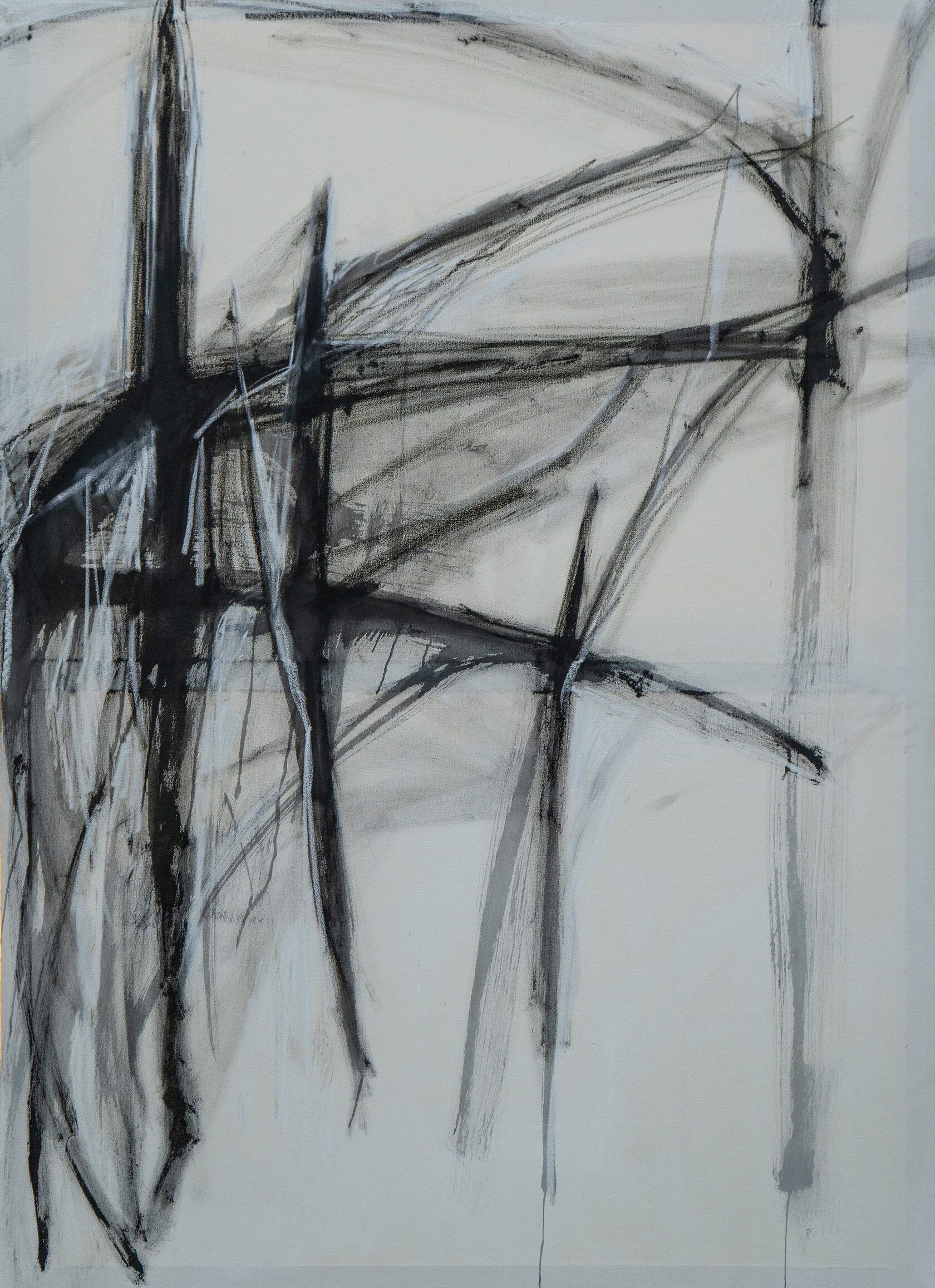
The installation by artist Olesya Rybak is dedicated to the sacred Christian landscape of Tashkent.

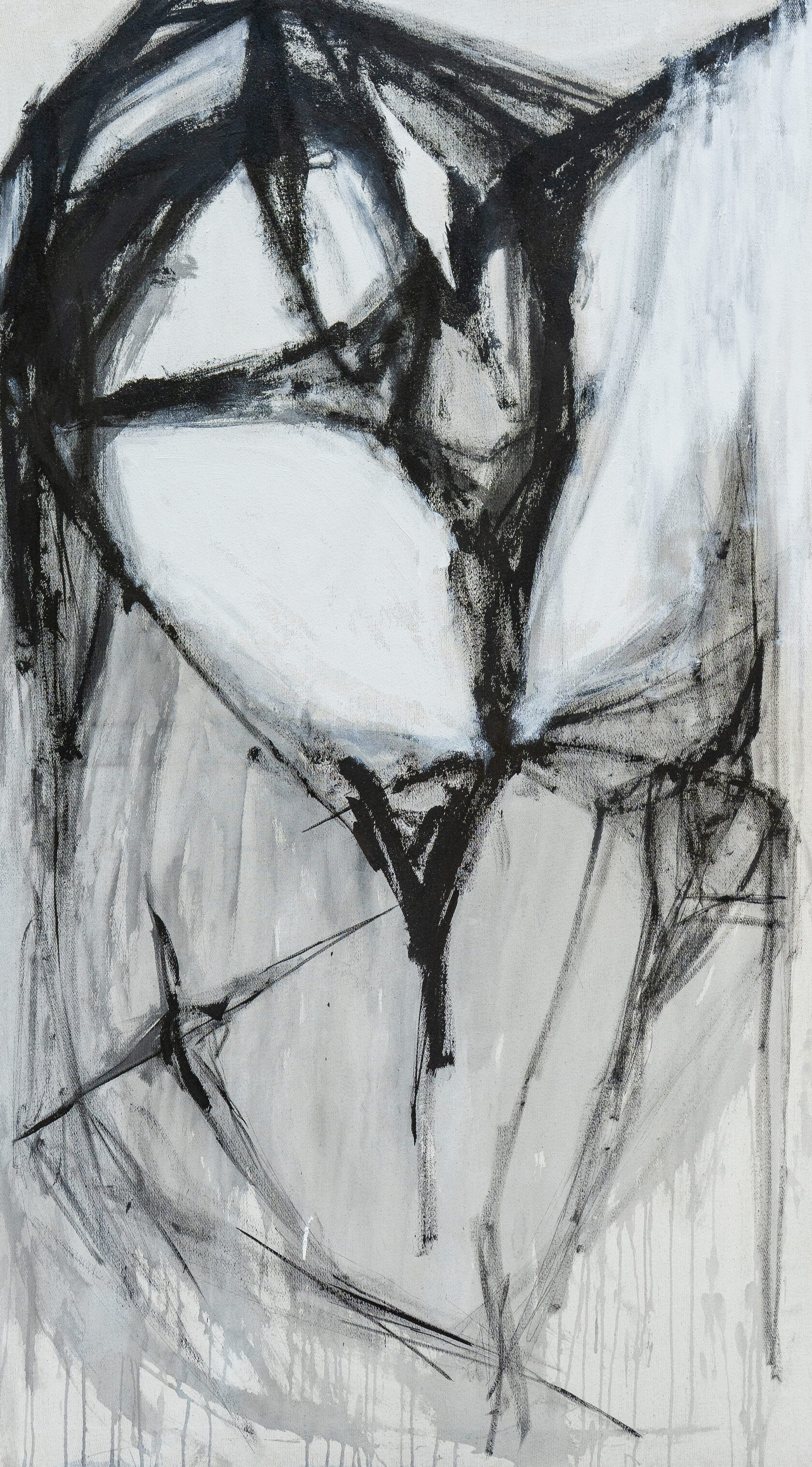
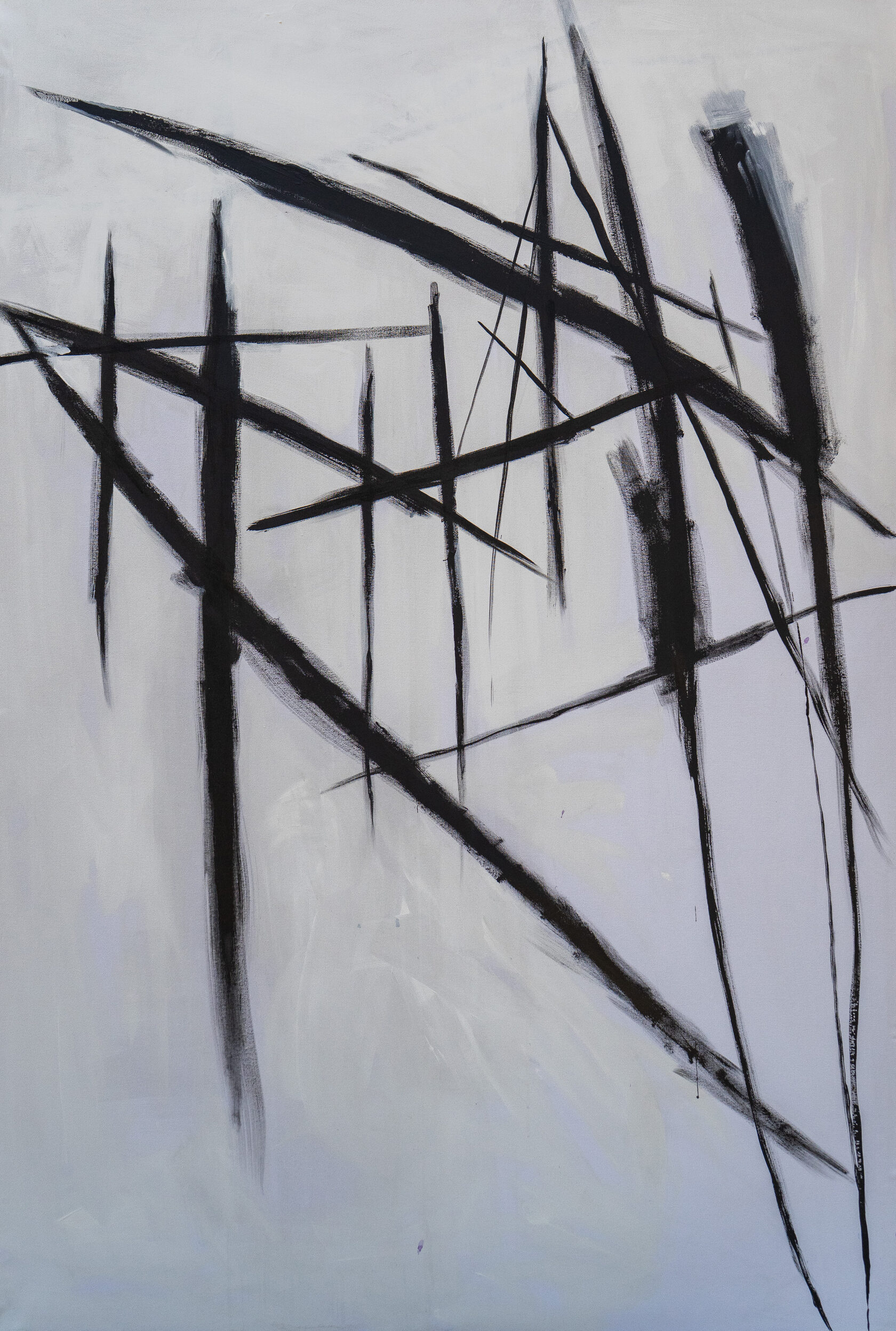
The artist works with space as a storyteller who speaks not with words, but with forms and rhythms. By drawing crosses, Korbat-Rybak captures them as graphic scores — a kind of “recording” of the landscape that can be read and heard. Based on these graphic forms, music is generated using artificial intelligence — an attempt to give the space itself a voice, to convey its hidden history through sound.


“Through graphics and sound, I strive to hear and voice the visual language of sacred places, where a vanishing presence becomes material. For me, it is a way to speak of memory, loss, rupture, and interconnectedness — turning crosses into scores, and the artistic gesture into a form of attentive listening. I use graphics and artificial intelligence that gives voice to images and times fading in collective historical memory.”


The project combines observation, drawing, and sound. It is a way to hear what is usually hidden — and to feel how the past quietly continues in the present.

Read more
Open call
Open call for artists working with industrial aesthetics, repetition, spatial emptiness, text, sound, and structure — contact:
Art manager Filipp Korbat: @filippkorbat
Curator Kirill Nevostruyev: @cyrusnouveau
Upload file
Contacts
Tel.: +998 90 990 25 16
Address: Sadyk Azimova, 37
Made on
Tilda